Basics of Ski Boot Architecture and Fit Frederick CO
Boot fitting for ski racing is an essential facet of the game, enjoying a significant position in performance and luxury. A well-fitted boot can improve control, precision, and general enjoyment on the slopes. Ski racing requires the skier to exert immense pressure on their boots, making the right fit a crucial part in achieving optimal performance.
The means of boot fitting entails several intricate steps, starting with understanding the skier's foot shape and measurement. Every foot is exclusive, and varied manufacturers have different last widths, heel shapes, and instep heights. A educated boot fitter will take precise measurements, making certain that the skier's foot is precisely represented within the selected boot model.
Once the measurements are obtained, the next stage is the choice of boots that align with the skier's skill stage and racing goals. For novice racers, a softer boot may provide some forgiveness and comfort. In contrast, more advanced racers typically require stiffer models that facilitate higher power transfer for heightened control, notably at high speeds.
After selecting the best boot, the fitting process actually begins. This is the place the boot fitter meticulously focuses on making a personalized fit, usually known as "shell fitting." The boot is tried on without the liner, allowing the fitter to assess how the shell of the boot contacts the foot. Gaps or pressure points could be identified easily at this stage, with the goal being to eliminate any areas that might result in discomfort over time.
Boot Fit Calculators and Tools Niwot CO
Heat molding is amongst the most important parts of boot fitting. This involves heating the liner and sometimes even the shell, allowing it to mold across the skier’s foot. A correctly molded liner hugs the foot snugly, offering both heat and luxury. This heat can forestall cold ft during lengthy days on the slopes, a difficulty that many racers face.
While heat molding is essential, so is making nice adjustments during the fitting. Often, minor tweaks such as footbeds or insoles could also be essential. A customizable footbed can significantly enhance fit, cushioning, and total assist. It also can improve alignment, which is fundamental for minimizing fatigue and sustaining control throughout high-speed runs.
Boot Fitting Considerations for Skiers Loveland CO
It’s necessary to suppose about the flex index of the ski boots. Various producers price flex differently, however typically, junior racers require a softer flex to promote mobility and flexibility as they're still developing expertise. More advanced opponents often opt for a stiffer flex that translates into higher power transmission and responsiveness when carving turns.
Another consideration in boot fitting for ski racing is the stance alignment. Proper alignment of knees, hips, and ankles is essential for efficient energy switch and preventing accidents. The boot fitter will assess this alignment and make changes, if necessary, to ensure that the skier is in the best position for performance.
How Tight Should New Ski Boots Be? Lyons CO
The role of socks can't be overlooked in phrases of boot fitting. Specialized ski socks, typically made of supplies designed for moisture-wicking and insulation, play an important function in sustaining warmth. Additionally, they might help minimize friction contained in the boot itself, reducing the chance of blisters during prolonged durations of snowboarding.
Communication between the skier and the boot fitter is essential all through the fitting process. Skiers should voice any discomfort or pressure points they could feel, permitting the fitter to address these issues immediately. This back-and-forth helps guarantee the ultimate product will meet the skier's particular needs and preferences.
Boot Fitting Resources for Skiers Niwot CO
Finally, attempting the boots on the snow is irreplaceable. An initial fitting can really feel great within the shop, but snowboarding puts a special set of calls for on the boots. If a skier can, they should test the fit on a follow run or training course to substantiate comfort and performance. This real-world testing helps to identify minor changes that will not have been obvious through the fitting.
In conclusion, boot fitting for ski racing is a meticulous and customized process that significantly impacts a skier’s performance. The correct fit enhances comfort, ensures control, and minimizes the danger of harm. By investing time and a spotlight into finding the proper boots, racers can focus on what they love most – the fun of the race.
The collaboration between the skier and the boot fitter is crucial in navigating this complicated journey. A excellent fit not only improves performance but in addition fosters enjoyment within the sport. Through high quality fitting, consideration to detail, and personalised changes, skiers can take advantage of their racing expertise and reach their full potential on the slopes.
- Precise measurements of foot length and width are essential for reaching a snug fit, minimizing movement that can affect performance throughout races.
- Ski boot liners should be heat-molded to ensure a custom fit, allowing for enhanced comfort and improved energy switch to the ski.
- The flex rating of a ski boot ought to match the athlete's skiing style, with stiffer boots beneficial for advanced racers who require better control at excessive speeds.
- Ankle and heel hold is essential; fit specialists often employ various methods to make sure these areas are securely locked in place.
- Proper alignment of the boot cuffs can considerably impact balance and edge control, making it crucial for racers to have well-adjusted cuff positioning.
- The tongue of the boot ought to ideally present constant pressure throughout the instep, preventing discomfort and enhancing responsiveness.
- Using footbeds or custom insoles can improve foot help, offering higher stability and lowering fatigue during long races.
- Attention to vent placement is important; adequate ventilation helps regulate temperature, stopping numbness or discomfort during runs.
- Evaluating the skier's method and stance can guide specific boot adjustments, tailoring the fit to reinforce general performance on the racecourse.
- Consistent follow-up changes post-fitting might help tackle any discomfort which will arise during training, making certain peak performance during competitions.undefinedWhat is boot fitting for ski racing?
Ski Boot Fit Essentials for Varied Terrain Niwot CO
Boot fitting for ski racing is the process of customizing ski boots to ensure optimal fit, comfort, and performance on the slopes. It involves adjusting various elements to enhance your skiing experience and achieve more efficient power transfer.

Why is correct boot fitting necessary for ski racing?
Boot Mechanics in Ski Boot Fitting Thornton CO
Proper boot fitting is essential for ski racing as a outcome of it permits for higher management, responsiveness, and luxury. A well-fitted boot may help stop accidents and enhance general performance by making certain that skiers can keep correct method and steadiness.
How do I know if my ski boots fit correctly?
You can determine in case your ski boots fit accurately by checking for a snug fit without pressure points. Fitting Challenges for Ski Boots Wheat Ridge CO. When buckled, your toes ought to barely brush the front of the boot, and there should be minimal movement of your heel. A certified boot fitter can even conduct an expert analysis
Custom Boot Fitting Packages Available Thornton CO
What customizations may be accomplished through the boot fitting process?
Customizations through the boot fitting process can embody heat molding liners, adjusting buckles, including custom footbeds, and modifying the shell. Each adjustment is tailor-made to accommodate your distinctive foot shape and skiing style, enhancing comfort and performance.
How long does the boot fitting process take?
Ski Boot Sizing Guidelines Arvada CO
The boot fitting process typically takes anywhere from 1 to 3 hours, depending on the extent of customization needed. This timeframe allows for thorough evaluations, adjustments, and testing to ensure the greatest possible fit.
Can I ski instantly after getting my boots fitted?
It's advisable to permit a while to interrupt in your newly fitted boots earlier than heading out to ski. While you can certainly try them on and walk around in them, skiing with them for a couple of hours helps ensure they settle into the fit and improve comfort.
How often should I get my ski boots fitted?
Ski & Snowboard Boot Fitting Overview Loveland CO
It's recommended to get your ski boots fitted every few seasons or whenever there are noticeable changes in your foot shape, discomfort arises, or if your skiing fashion adjustments considerably. Regular evaluations assist keep one of the best fit and performance.
What should I convey to a boot fitting appointment? (How to Achieve the Perfect Boot Fit Longmont CO)
For a boot fitting appointment, wear or bring the socks you typically ski in, as they'll have an result on fit. Additionally, contemplate bringing any present ski gear, corresponding to your skis and bindings, to assist the fitter assess your complete setup.
Ski Boot Fit for Advanced Skiers Westminster CO
Are there particular issues for women or racers with distinctive foot shapes?
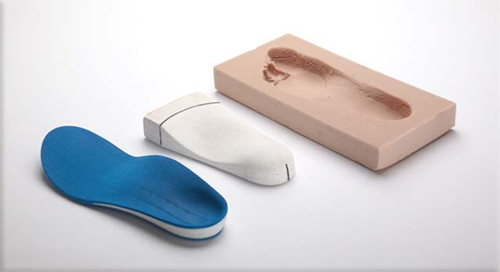
Yes, women and racers with distinctive foot shapes may have specialized boots or custom modifications. Women's ski boots typically have totally different flex patterns and shapes, whereas distinctive foot shapes may require custom footbeds or shell modifications for optimum performance.
What if I experience discomfort after my boot fitting?

If you expertise discomfort after your boot fitting, it is important to return to your fitter. They can assess the issues and make needed adjustments (Ski Boot Fit Tips for Comfort Dacono CO). Addressing discomfort early on can forestall performance issues and improve your snowboarding expertise
look at here now top article
Comments on “Properly Fit Ski Boot Feel Westminster CO”